
Why You Should Consider a Whole-House Generator This Winter
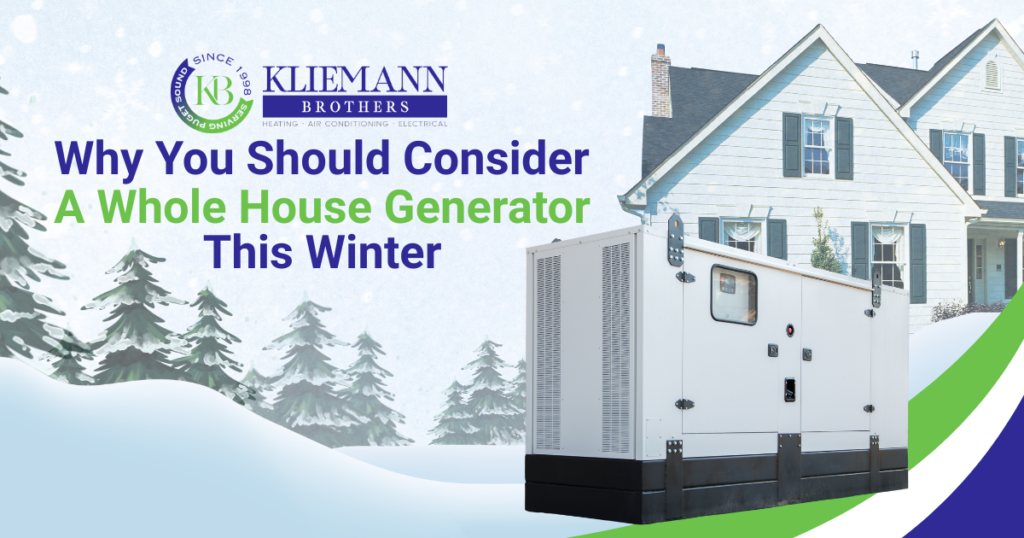
A winter blizzard can quickly remind homeowners why a reliable power supply is a necessity in Washington. One moment you’re enjoying a movie with your family, and the next, you’re struggling to find batteries for flashlights in the dark. Even worse, your pipes can freeze without proper heating. Power outages may occur during winter storms, but one way to keep your home warm and bright is with a whole-house generator installation. The licensed electricians at Kliemann Bros specialize in backup generator installations for South Puget Sound homeowners.
What Is a Whole-House Generator?
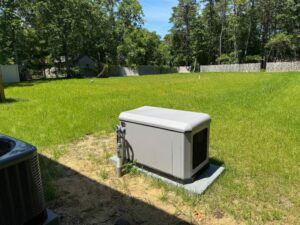
A whole-house generator is a backup system that powers your entire home during a power outage. The generator is installed outside your home and is hardwired directly into your electrical system.
A whole-home generator works in four stages:
- Power is lost in your home for 30 seconds to a minute.
- The backup generator senses the power outage.
- The generator uses a transfer switch to restore power.
- Power is restored, and the backup generator shuts off.
The benefit of having a standby generator for the house is that you don’t have to turn it on yourself. Even if you’re not at home, the generator automatically flips on after it detects a power outage and then turns off after the power grid is back up and running.
Why Power Outages Are More Common in Winter
Power outages are more common in winter due to high winds that can bring down trees, branches, and telephone poles, damaging power lines. A large amount of snow and ice may also accumulate on tree branches, causing them to fall onto power lines.
Periods of extreme cold also put stress on home service systems and can cause them to shut down. Even if branches don’t fall, ice can accumulate along the tree roots, which can damage underground power lines.
During winter storms, the power grid can go down due to increased heating demand across the city.
Top Benefits of Installing a Whole-Home Generator
There are many benefits to installing a backup generator in your South Puget Sound home:
- Uninterrupted power supply: The most significant benefit of having a backup generator for the home is continuous power during an outage. Your lights flip back on, your pipes don’t freeze, and your home stays toasty warm while it’s below zero outside.
- Safety reasons: Another whole-home generator benefit is an added safety precaution, especially if you have family members who rely on medical equipment, such as a CPAP machine or oxygen concentrator.
- Financial savings: A top benefit of installing an emergency generator system is the savings it provides. Winter storm power outages can cost hundreds of dollars in spoiled food in your fridge, burst pipes, or appliance power surges when the power comes back on.
What To Look for in a Backup Generator for Your Home
Backup generators are a good way to prepare for winter power outages. Here are some factors to consider when choosing the right system for your home:
- Generator size: Generators are measured in kilowatts. Too few kilowatts won’t power every system in your home, while too many kilowatts waste power and fuel. Most homes need between 20 and 25 kilowatts. The local pros at Kliemann Brothers can help you choose the right size for your space.
- Generator type: Portable generators can power only a few items, while a whole-home standby generator powers the entire house. Kliemann Brothers electricians can help you determine the best generator type for your home.
- Fuel type: Gas generators connect to an existing gas line, while propane generators need a storage tank. However, gas isn’t available everywhere, so propane may be a good option if this is the case.
Is a Whole-House Generator Worth the Investment?
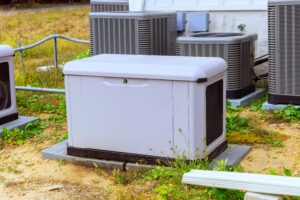
A whole-house generator installation in the Tacoma and Puyallup areas is a significant upfront investment, but it’s important to consider the alternative. A major winter storm can cause your pipes to freeze or knock out power in your area for days, leading to expensive losses and repairs.
Sump pumps are also affected by power outages, especially in areas prone to winter flooding or homes with finished basements. Snow and icy rain can quickly overwhelm a basement if the sump pump isn’t working properly. With a generator, your sump pump continues operating, protecting your basement from potentially devastating water damage.
One other consideration is increasing your home’s value. A whole-home generator is an attractive power outage protection for would-be home buyers, and it makes your house stand out in the market.
Installation and Maintenance: What To Expect
Installing a whole-house generator is not a DIY job and requires the skills and knowledge of a licensed electrician. At Kliemann Brothers, a residential standby generator installation takes one to two days. Here’s what to expect during a generator installation with us:
- Step one: We determine the correct generator sizing for your home.
- Step two: We install the electrical transfer switch.
- Step three: We connect the new generator to the chosen fuel source.
- Step four: We run safety tests to guarantee the correct output power in the event of an outage.
After installation, routine maintenance is required to ensure the generator operates properly. We recommend a once- or twice-annual maintenance service for your whole-home generator. Tune-ups with Kliemann Bros include:
- Checking all fluids and refilling them if necessary
- Checking and changing out worn spark plugs
- Cleaning and tightening all components
- Checking for general wear and tear and repairing parts if needed
Keep the Power on With a Whole-Home Generator Installation
Winter storms happen, but installing a backup generator in your South Puget Sound home before the peak storm season is a practical investment. Whole-home generators protect your home and provide you with peace of mind during the region’s most challenging winter weather. Contact us today for more information or to schedule a backup generator consultation.
Author Info