
Understanding How Heat Pumps Work for Your Heating Needs
Many homeowners living in Washington state use heat pumps to keep themselves and their families comfortable year-round. If you’ve asked yourself, “How do heat pumps work?”, you’re not alone. Fortunately, the team of professionals at Kliemann Brothers Heating, Air Conditioning, and Electrical has some insight into what heat pumps are, how these home comfort systems work, and how they compare to traditional heating systems to help you choose the right option for your home in the Puget Sound area.
What Is a Heat Pump and How Does It Work?
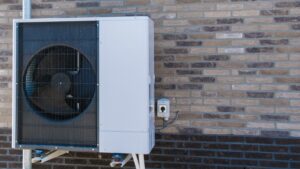
Heat pumps are popular energy-efficient heating systems that transfer heat from one location to another, instead of generating it using an energy source like furnaces. The heat pump system components use a refrigeration cycle that can be reversed, depending on whether you need to heat or cool your home. The system moves heat from inside your home to the outside during the summer to produce cooled air, and from the outside air, ground, or water into your home during the winter to produce heat.
Here is some more information about how heat pumps work in winter to keep your home warm.
- The heat pump uses an energy transfer process to exchange warm and cold air from indoors to outdoors.
- A compressor pressurizes the gas to increase its temperature, which is then moved to the condenser.
- As the hot gas moves through the indoor coil, it releases heat into your home and turns back into a liquid.
- The liquid refrigerant passes through an expansion valve that lowers the pressure and temperature before recycling through the evaporator and repeating the process.
Heat Pumps vs. Traditional Heating Systems
Traditional home comfort systems and heat pump heating and cooling operate in different ways. Here are some things you should know about using heat pumps versus traditional heating systems.
- When it comes to a heat pump vs a furnace, heat pumps provide heating and cooling in a single piece of equipment, while furnaces only produce heat.
- Almost all traditional heating systems require ductwork to deliver heated air throughout your home, but ductless heat pump systems do not.
- Most traditional heating systems are less energy-efficient than heat pumps, so the operating cost tends to be higher.
- In terms of maintenance, it typically costs less to maintain a heat pump, since you’re only using one unit instead of two, like you would with a traditional furnace and a separate air conditioner, for example.
- Heat pumps solely rely on electricity, or, in some cases, geothermal energy, to operate, while some furnaces may use propane or natural gas instead of electricity to heat the home.
- The initial cost for heat pump installation in Tacoma and the surrounding areas tends to be higher than traditional heating systems, but some tax credits, rebates, and other incentives are available to help offset some of those costs.
Benefits of Heat Pumps for Homeowners
If you’re thinking about a heat pump replacement in Bonney Lake, WA, here are some important heat pump benefits to keep in mind.
- Better energy efficiency: Heat pumps are much more energy efficient than most traditional heating systems, saving you money on your monthly heating and cooling bills.
- Reduces emissions: Using a heat pump reduces the amount of harmful carbon monoxide and other emissions you produce, lowering your carbon footprint and contributing to a cleaner environment.
- Quiet operation: Most modern heat pumps operate much more quietly than traditional heating systems, giving you a peaceful home environment.
- Improved safety: Since heat pumps don’t require combustion (like gas furnaces), they give you a much safer way to heat and cool your home.
- Highly effective: Heat pumps are the best heating solution for mild climates.
- Easy operation: Since heat pumps provide heating and cooling in a single unit, they’re much easier to operate than a separate air conditioner and furnace.
Do Heat Pumps Work in Cold Weather?
Overall, heat pumps generally work well in most areas with cold weather. However, they usually work best in mild to moderate climates. As the outdoor temperatures get colder, your heat pump may not operate as efficiently.
Remember, the way heat pumps save energy is by transferring heat from one place to another rather than generating it through combustion. Some new, modern heat pump models are specifically designed to operate efficiently in temperatures as low as -15 degrees or lower.
Common Heat Pump System Types
The two most common types of heat pumps for heating and cooling in the Port Orchard area include ducted and ductless. That said, there are also some other system types to be aware of.
- Geothermal: These heat pumps transfer heat between your home and the ground and are more expensive to install, but offer higher energy efficiency and lower operating costs thanks to stable ground temperatures.
- Water source: A water-source heat pump system extracts heat from nearby bodies of water like lakes or rivers, but is most commonly used for commercial properties or for homes that have access to a large water source nearby.
- Hybrid: Hybrid heat pump systems use a traditional heat pump with a gas or oil furnace, and they automatically switch between the two systems based on outdoor temperature, only using the furnace as a backup when the outdoor temperature drops to an extremely cold level.
Is a Heat Pump Right for Your Home?
Although heat pumps are quiet, convenient, easy to use, and energy efficient, they’re not always the best option for everyone. Here are some important things to consider when deciding whether a heat pump is right for you and your home.
- Your home’s size: Larger homes require more powerful heat pumps, and installing the wrong-sized heat pump can impact its efficiency and service life.
- Insulation: The best way to keep your heat pump operating as efficiently as possible is to make sure that your home has adequate insulation to prevent energy loss.
- Climate: Most heat pumps work best in mild to moderate climates, as extreme temperatures can impact their efficiency and ability to heat or cool your home effectively.
- Your existing system: Installing a ducted heat pump in homes with existing ductwork is much easier, while a ductless heat pump may be best if you live in an older home with no ductwork.
- Maintenance: If you’re concerned about maintenance costs and time, heat pumps are a great choice since they provide heating and cooling in a single unit rather than two separate pieces of equipment.
Contact Kliemann Brothers Today!
A heat pump provides energy-efficient cooling and heating to help you save money and time. If you’re interested in switching to a heat pump for your Puget Sound area home, Kliemann Brothers Heating, Air Conditioning, and Electrical is available to help. To find out more or to schedule an estimate for a heat pump installation or replacement, contact us today!
Author Info