How Dirty Air Filters Impact System Performance, And When to Replace Them
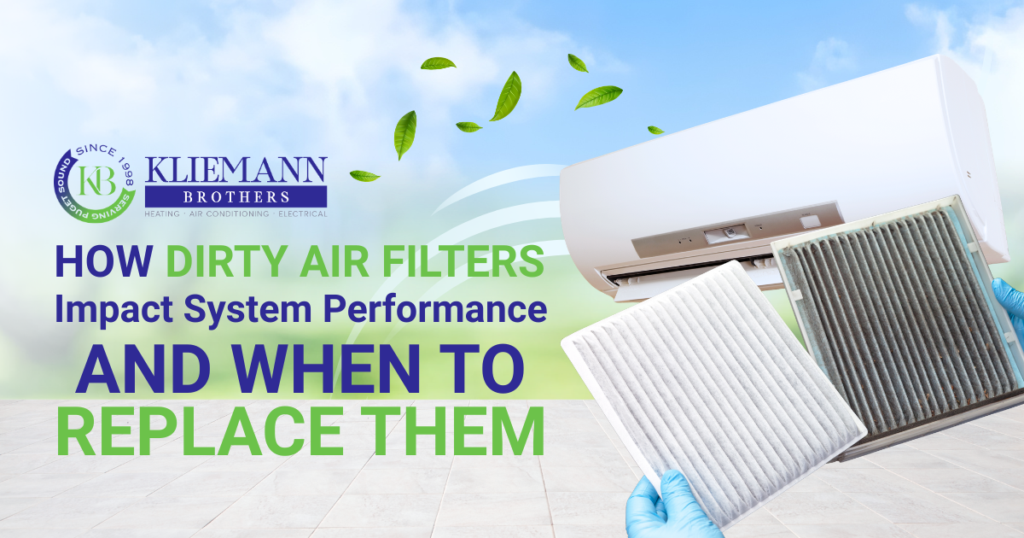
Between spring pollen and drifting smoke during wildfire season, living in Tacoma comes with plenty of air quality challenges. When these contaminants find their way inside your home, they can impact your HVAC system as well as your comfort. We’ll explore the importance of clean air filters for indoor air quality and how air filters affect system efficiency, HVAC maintenance tips, and when to replace HVAC air filters to get the most from your system.
How Air Filters Work in Your HVAC System
As air passes through your HVAC system, it’s pushed through air filters to remove contaminants like pollen, dust, and mold before they can be spread throughout your home. In addition to protecting your HVAC unit, this also helps clean the indoor air as it circulates through your house. Different types of air filters catch different contaminants, ranging from larger dust particles to smaller allergens.
How Dirty Air Filters Affect HVAC System Performance
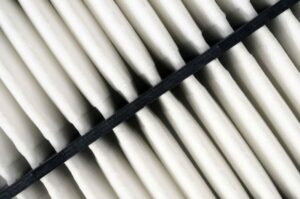
Over time, your HVAC filters naturally fill up with dust, dirt, and contaminants. If these filters aren’t cleaned or changed, the dirty filters can have negative effects on your system performance and home comfort.
Poor Indoor Air Quality
Part of your HVAC system’s job is to keep your indoor air fresh and clean. When HVAC filters get too dirty, they’re no longer able to remove contaminants from the air. Instead, these contaminants get recirculated through your home, reducing your indoor air quality and potentially causing consequences like worsening allergy and respiratory symptoms.
Reduced System Efficiency
Wondering why your HVAC isn’t cooling properly? Filters that are clogged or dirty block airflow, forcing your furnace or air conditioner to work harder to heat or cool your home. This can increase your energy bills and lead to more wear and tear for your system, ultimately shortening system lifespan.
Symptoms of a Clogged or Dirty Air Filter
Learn the signs and symptoms of a clogged air filter and how air filters can impact your AC and furnace performance.
HVAC Short Cycling
When your furnace or air conditioner is running properly, it should run for about 15 to 20 minutes before turning off again. When your system shuts off quickly, often in five minutes or less, it’s “short cycling”. Clogged air filters cause HVAC short cycling because your system is not getting enough air, leading to overheating and triggering safety mechanisms to turn the system off.
Poor Airflow
When clogged or dirty air filters get in the way of proper airflow, you may notice less air coming through your vents. You may also notice inconsistent temperatures in your home or temperatures that don’t match your desired thermostat setting.
Rising Energy Cost
Gradually rising energy costs can indicate an HVAC system that’s not running efficiently, often due to clogged or dirty air filters. If you notice a sudden spike in your energy bills, you could have a mechanical breakdown that requires furnace or AC repair.
Bad Smells
Dirty air filters can become a growth medium for mold and mildew. If you notice bad smells when you turn on your HVAC system, it’s a good sign to check your HVAC filters, vents, and ducts for any signs of mold and mildew.
How Often Should You Replace Your Air Filter?
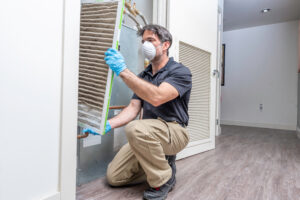
Wondering how often to change your air filter? The best air filter replacement schedule depends on your system and environment. Most HVAC filters should be cleaned at least once a month and changed every three months, or as recommended by your manufacturer. You may need to clean and change your filters more frequently if you live with pets or smokers. Seasonal concerns like pollen or wildfire smoke may also mean that HVAC filters need to be replaced more regularly.
Benefits of Regular Air Filter Replacement
Regularly replacing your air filters can help improve indoor air quality, reduce HVAC energy bills, and prolong the lifespan of your HVAC system.
Cleaner Air
Indoor air quality is an essential part of everyday comfort and health. Clean air filters are better able to capture airborne contaminants like dust, mold, pollen, and pet dander, improving the overall quality of your indoor air.
Improved HVAC Efficiency
When air flows freely through your HVAC system, less energy is required for proper ventilation and cooling. Regularly replacing your air filters improves HVAC airflow by ensuring a steady supply of clean air, keeping your energy bills down and your system running smoothly.
Longer System Lifespan
When your HVAC system is working efficiently, it’s less likely to suffer from wear and tear, helping you get the most from your system lifespan. Regular air filter replacement is just one part of routine preventative maintenance to prolong the life of your HVAC system.
Upgrade Tip: Consider a Whole-Home Filtration System
Whole home filtration systems are one of the best ways to clean and purify your indoor air. While HVAC filters offer some cleaning capabilities, whole-home purifiers are designed to catch particles that standard HVAC filters miss. Depending on the type of air cleaning system you choose, these can include HEPA filters to catch tiny particles, activated carbon filters to remove gases and odors, and UV filtration systems to kill viruses and bacteria.

Call Kliemann Bros for Air Filter Replacement and HVAC Services
From air filter replacement to preventative HVAC maintenance, Kliemann Bros is your go-to for dependable HVAC service in Tacoma. Contact us today to book your next appointment and learn more about improving your indoor air quality and home energy efficiency.
Frequently Asked Questions
Can a dirty air filter cause HVAC failure?
Yes, a dirty air filter can cause many different types of HVAC failure. These can include immediate problems like overheating systems and frozen evaporator coils, as well as long term concerns like increased wear and tear.
How do I know if my air filter is too dirty?
One of the best ways to know if your air filter is too dirty is to visually inspect it for signs of dust, dirt, mold, and heavy discoloration. You may also notice other signs in your home, such as increased dust levels, especially around vents.
Do better air filters improve system performance?
While higher grade air filters may improve your indoor air quality, in some cases, finer filters will force your HVAC system to work harder to move air through the system. This can reduce HVAC efficiency and increase your energy bills. Your HVAC technician can recommend the best filter to balance indoor air quality and HVAC efficiency.
Author Info