
Do Whole-House Generators Increase Home Value in Washington?

Do whole-house generators increase home value in Washington? In many cases, adding automatic backup power to your home can improve its value and provide significant financial returns, while also offering additional benefits for your safety and comfort. Learn about whole-house generator cost versus value and the importance of hiring a professional for installation.
Why Backup Power Is Becoming More Important in Washington
Power outages can pose health and safety risks, disrupt your routine, or cause property damage during extended blackouts or severe storms. These factors are making backup power more important in Washington:
- Weather: Severe windstorms and heavy rain during Pacific Northwest winters regularly knock down power lines, and many neighborhoods may experience extended utility response times and power blackouts.
- Wildfire safety measures: During periods of extreme wildfire risk in the summer, electric utility companies sometimes implement precautionary Public Safety Power Shutoffs (PSPS).
- Power demand: With more people switching from gas to electric vehicles and heat pumps, increased tech infrastructure, and variable hydropower availability, high power demand may make the grid less reliable.
Do Whole-House Generators Increase Home Value?
In general, a whole-house or standby generator can increase home value by 3% to 5%. After selling, you can get a total return on investment of 50% to 150%. A whole-home generator is an added feature that adds significant buyer appeal for utility and safety. In areas that more commonly experience extended power outages, the real estate market may attribute higher utility and marketability to homes already equipped with whole-home generators, helping to further increase home resale value.
Benefits Beyond Resale Value
In addition to resale value, whole-home generator benefits extend beyond resale value to improve your safety and comfort.
Peace of Mind During Power Outages
A backup generator for your home provides peace of mind during power outages by automatically switching on within seconds of detecting an outage. Equipped with a permanent fuel line, the generator is always ready for an outage without requiring manual refueling. Even if you’re away from home, your generator can start and stop as needed.
Protect Your Home
A generator protects your home from different hazards that may occur during power outages. In cases of heavy winds and rain that cause flooding, a whole-home generator keeps your sump pump running to prevent water damage. It also keeps heating systems running during the winter to avoid frozen pipes, and it can power home security systems, refrigerators, lights, medical equipment, and other factors important for your household’s health and safety.
Improve Everyday Convenience
You can improve your everyday convenience during power outages with a whole-home generator that switches on and handles multiple devices and appliances. Since it starts automatically and seamlessly, there’s no interruption to cooking, internet use, or other activities that rely on electricity.
With proper sizing, a whole-home generator can power high-demand appliances and air conditioning to ensure indoor comfort. For remote workers, generators also prevent interruptions to your workday and potential lost earnings.
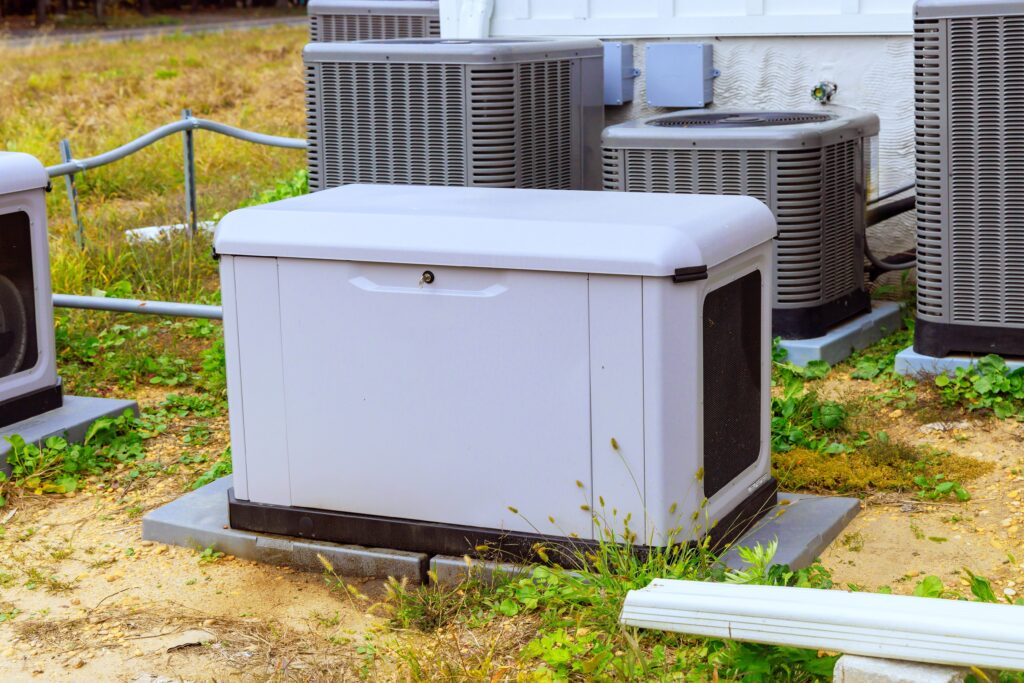
Whole-House Generator vs. Portable Generator
Whole-house generators and portable generators can both improve your home’s preparedness for power outages, but they provide different advantages depending on your needs.
As a permanent source of automatic, high-capacity backup power, a whole-home generator is a long-term solution for homes that face frequent outages. Ranging from 15,000 to 50,000 watts, home backup power systems have higher upfront costs and require professional installation, but added property value, convenience, safety, and peace of mind can help to offset the initial investment.
Portable generators provide flexible, on-demand power without a permanent setup. They’re more affordable than whole-home generators, but they require manual operation and refueling. At 1,000 to 10,000 watts, portable generators can power only a few devices or appliances at a time, not your entire home.
What Factors Influence Return on Investment
Various factors influence the return on investment of a whole-home generator installation:
- Location: Frequent local power outages in certain areas may drive up buyer demand. Rural areas prone to storms may additionally value generators, since they’re more likely to experience extended utility response times and outages.
- Capacity: Whole-house coverage is more appealing to buyers who want both safety and convenience.
- Fuel source: Running a generator on a permanent gas line is generally preferred over propane tanks, but upgrading your gas system can add to upfront costs.
- Installation quality: Professional installation by licensed contractors ensures reliable performance, compliance with local code and permit requirements, and improved buyer confidence.
Should You Install a Generator Before Selling Your Home?
Whether you should install a generator before selling your home depends on different factors. In certain cases, you may be able to recoup your costs and earn a better return on investment with a pre-sale generator installation in Washington.
For example, if your property is in a rural area prone to severe weather and extended blackouts, local buyers may be more likely to choose homes that are outage-ready. Many homes in your neighborhood with whole-home generators may also suggest that backup power is a standard expectation instead of an extra feature.
Professional Installation Matters
Professional standby generator installation matters because these systems require expert knowledge and experience to ensure proper sizing, reliable performance, and safe operation. Here’s why you should hire a professional:
- Accurate sizing: Electricians correctly evaluate household power needs so that the generator handles startup and running power demands safely and reliably.
- Electrical safety: Professionals handle complex electrical work, such as integrating the transfer switch with your electrical panel, to ensure the generator safely cuts off utility power and prevents dangerous backfeed.
- Safe fuel line connections and exhaust: Generators that run on gas or propane require precise line sizing and configuration. Professionals also position generators to avoid harmful exhaust gases from entering your home.
- Warranty protection: Most manufacturers require that licensed technicians complete the installation to maintain warranty coverage.
- Permit and code compliance: Homes in Tacoma and other areas in Washington require licensed professionals, permits, and inspections for gas and electrical work on generators.
Why Washington Homeowners Trust Kliemann Brothers
Serving the South Puget Sound area since 1998, Kliemann Brothers has built a reputation for honest, ethical, and customer-centered service. Our electricians are licensed and insured, and we have the expertise and experience to handle any whole-home generator or other electrical services. Our customers also enjoy benefits such as:
- Flexible financing options
- Special offers and discounts
- PROComfort Maintenance Plan memberships
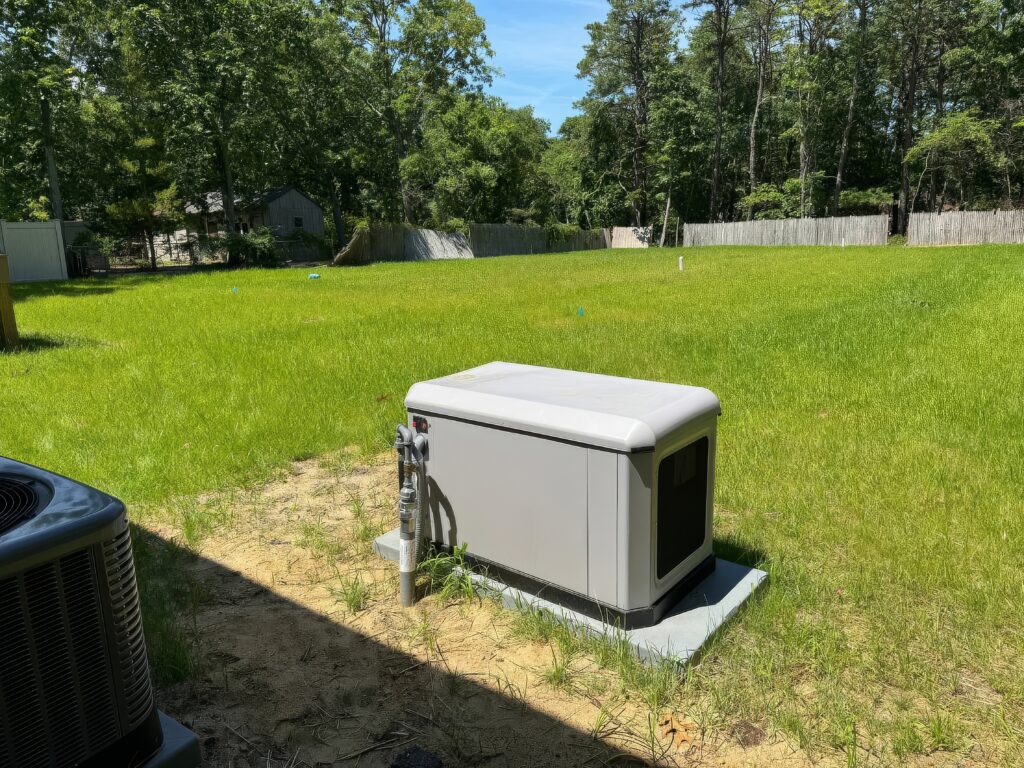
Schedule Whole-Home Generator Installation With Kliemann Brothers
Prepare your home for power outages with whole-home generator installation from Kliemann Brothers. Contact us today to schedule electrical services with our licensed and insured team.
Author Info